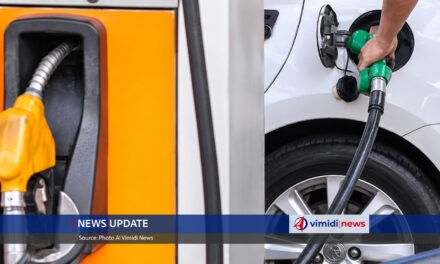
The Philippines’ inflation rate rose for the second consecutive month, reaching 7.8% in October 2026 from 7.2% in September, driven mainly by higher transportation, fuel, and utility costs, according to the Philippine Statistics Authority (PSA). National Statistician Claire Dennis Mapa reported that transportation recorded a 20.1% inflation rate, contributing 62.9% to the overall increase. Higher jeepney and bus fares, along with rising gasoline prices, were among the major factors. Meanwhile, housing, water, electricity, gas, and other fuels inflation accelerated to 9.3% from 8.4%.
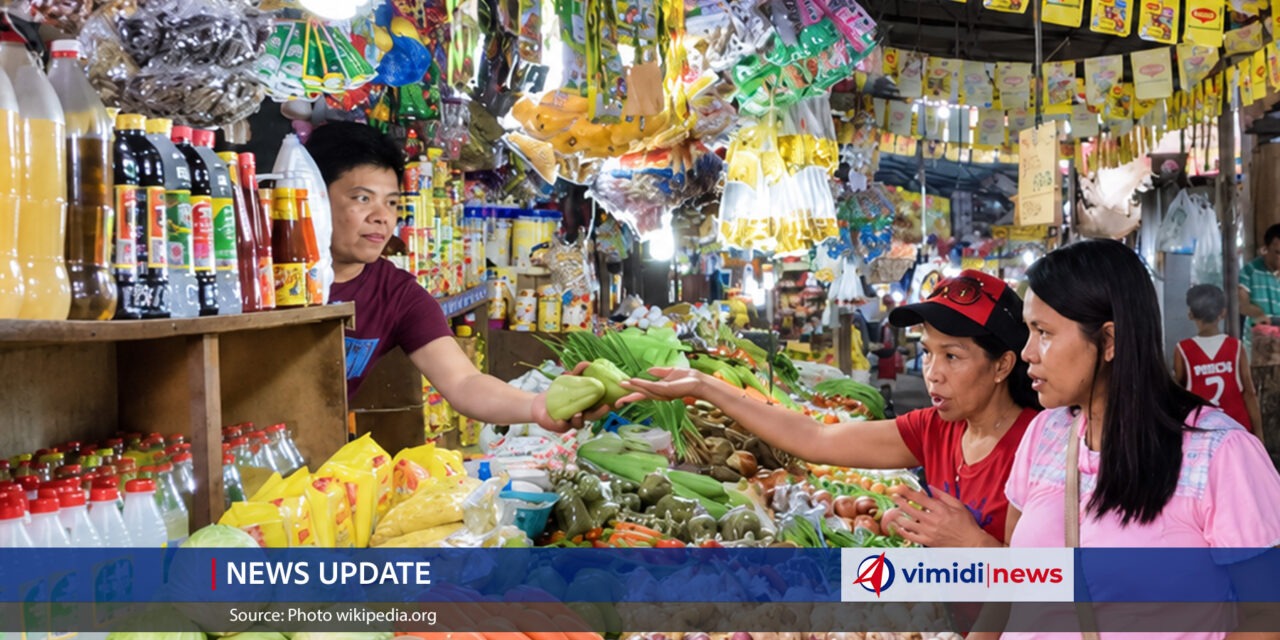
Food inflation slightly eased to 6.4% from 6.8%, supported by slower price increases in fish and vegetables. However, rice inflation remained elevated at 20.7%, making it the largest contributor to overall inflation. The year-to-date average inflation rate reached 5.6%, exceeding the government’s 2% to 4% target range. In response, the Department of Economy, Planning and Development (DEPDev) said the government is strengthening agricultural production, expanding KADIWA outlets, and providing fuel subsidies to affected farmers, fisherfolk, and delivery-truck drivers. These measures aim to improve supply, ease rising costs, and protect consumers’ purchasing power.